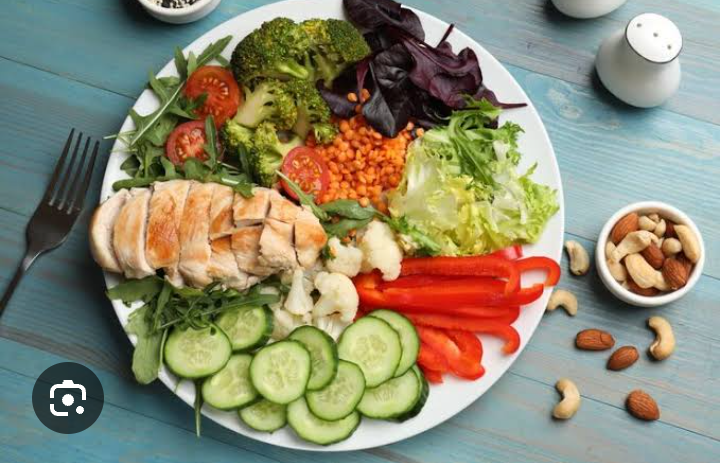
🥦 What Does Eating Healthy Mean?
Eating healthy means choosing foods that provide your body with the nutrients it needs to function well, feel energized, and stay strong.
These nutrients include:
Proteins (for muscle repair)
Carbohydrates (your main energy source)
Healthy fats (for brain and cell function)
Vitamins & minerals (for immunity and overall health)
Fiber (for digestion
🍎 Healthy Foods to Include
1. Fruits & Vegetables
Aim for a variety of colors—each color gives different nutrients.
Examples: apples, berries, spinach, carrots, broccoli.
2. Whole Grains
Choose grains that are not heavily processed.
Examples: brown rice, oats, quinoa, whole wheat bread.
3. Lean Proteins
Helps build and repair tissues.
Examples: chicken, fish, eggs, beans, lentils, tofu.
4. Healthy Fats
Good for your brain and heart.
Examples: nuts, seeds, avocado, olive oil, fatty fish.
5. Dairy or Alternatives
For calcium and vitamin D.
Examples: milk, yogurt, cheese, or fortified plant milks
🚱 Foods to Limit
Sugary drinks (soda, sweetened juices)
Processed snacks (chips, cookies)
Fast food
Foods high in saturated fat or added sugar
💧 Don’t Forget Water!
Aim to drink 6–8 cups of water a day (more if you're active or live in a hot climate).
🍽️ Healthy Eating Tips
Eat regular meals, especially breakfast.
Fill half your plate with vegetables at lunch and dinner.
Snack on fruits, nuts, or yogurt instead of chips or candy.
Cook more meals at home to control ingredients.
Read food labels—look for lower sugar and fewer additives.