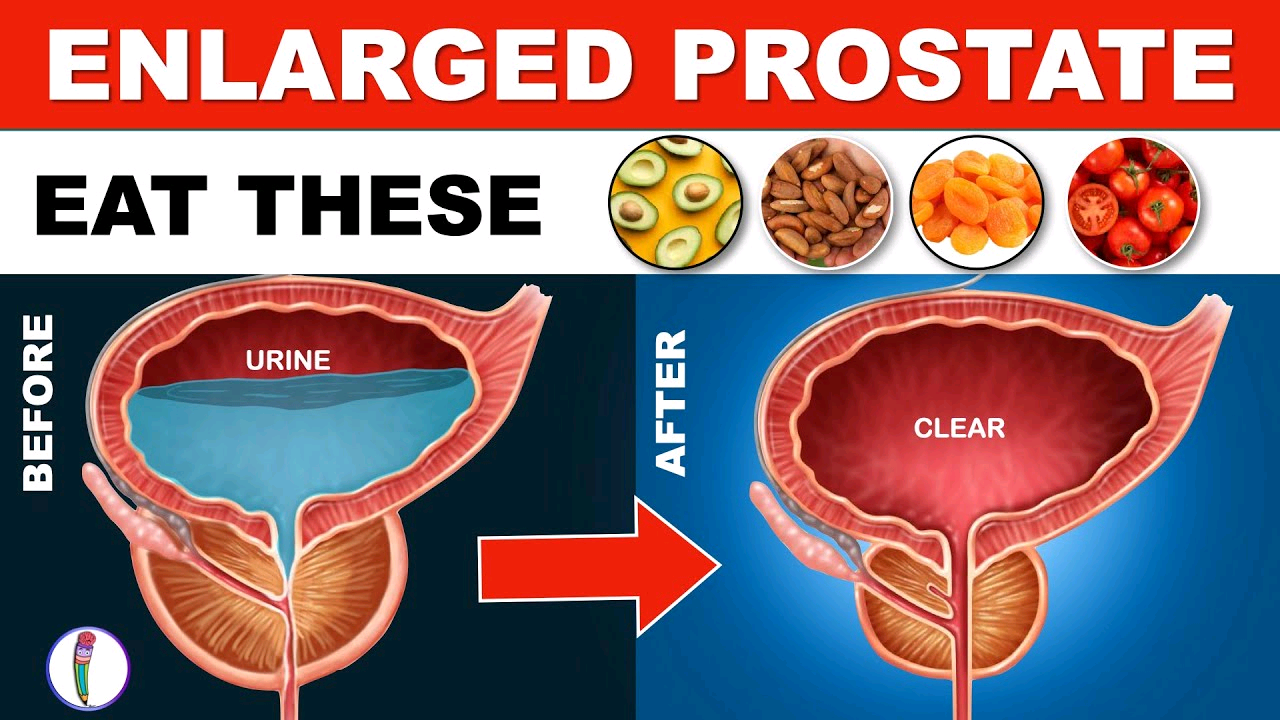
Prostate enlargement, medically known as Benign Prostatic Hyperplasia (BPH), is a common condition that affects many men as they grow older. The prostate is a small gland located below the bladder and around the urethra—the tube that carries urine out of the body. Its main role is to produce seminal fluid. As men age, the prostate often increases in size, which can press against the urethra and lead to urinary problems. Although BPH is not cancerous and does not increase the risk of prostate cancer, its symptoms can significantly impact quality of life.
Why Does the Prostate Enlarge?
The exact cause of BPH is not fully understood, but it is strongly linked to aging and hormonal changes. As men grow older, levels of testosterone and other male hormones shift, and these changes may stimulate prostate tissue growth. Genetics also play a role—men with a family history of prostate issues are more likely to develop BPH. Lifestyle factors such as obesity, lack of exercise, and chronic medical conditions like diabetes may increase the risk or worsen symptoms.
Common Symptoms
Because the prostate surrounds the urethra, even a slight enlargement can affect urination. Symptoms often develop gradually and may include:
Frequent urination, especially at night (nocturia)
Difficulty starting urination
Weak or interrupted urine flow
Feeling that the bladder is not completely empty
Urgency to urinate
Straining during urination
Some men experience only mild inconvenience, while others develop complications such as urinary retention, bladder infections, or bladder stones.
Diagnosis
BPH is typically diagnosed through a combination of medical history, physical examination, and tests. A digital rectal exam (DRE) allows a doctor to feel the size and shape of the prostate. Additional tests may include urine analysis, blood tests, ultrasound imaging, and a measurement of how much urine remains in the bladder after urination.
Treatment Options
Treatment depends on the severity of symptoms and how much they interfere with daily life.
1. Lifestyle Adjustments
Mild cases may be managed through simple changes such as limiting caffeine and alcohol, reducing fluid intake before bedtime, exercising regularly, and maintaining a healthy weight.
2. Medications
Doctors commonly prescribe:
Alpha-blockers to relax prostate muscles and improve urine flow
5-alpha-reductase inhibitors to shrink the prostate over time
Sometimes a combination of both for better results
3. Minimally Invasive Procedures
Techniques such as microwave therapy, steam therapy, or laser treatments can shrink excess tissue with little recovery time.
4. Surgery
For severe cases, procedures like TURP (Transurethral Resection of the Prostate) may be recommended to remove obstructive tissue.
Conclusion
Prostate enlargement is a natural part of aging for many men, but it doesn’t have to diminish quality of life. Early recognition, proper medical evaluation, and appropriate treatment can help manage symptoms effectively. Men experiencing urinary changes should speak with a healthcare professional to explore the best options for maintaining long-term prostate health.