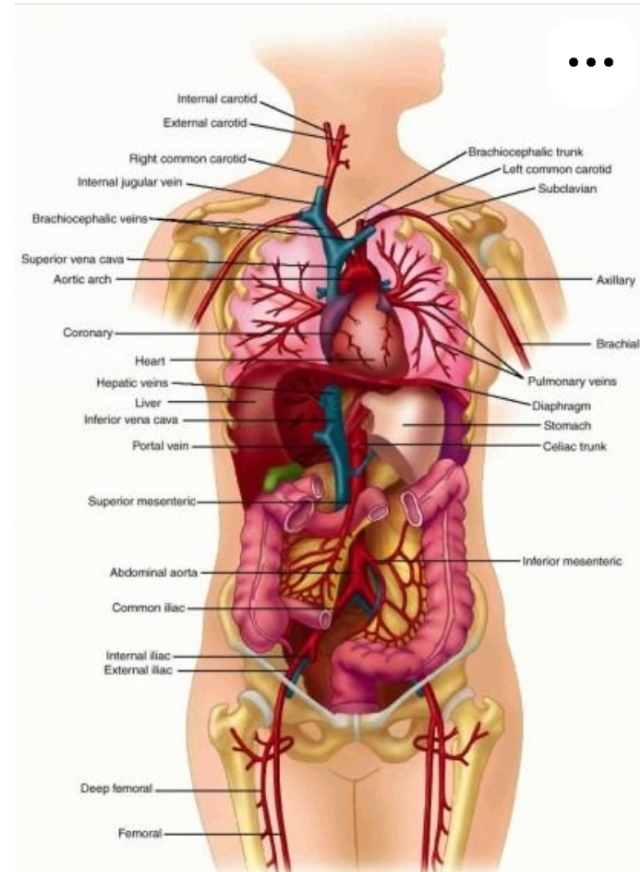
1. The Heart: The Engine of Life
The heart is one of the most hardworking organs in the body, pumping blood that supplies oxygen and nutrients to every cell. Its health depends greatly on lifestyle. Diets high in fruits, vegetables, whole grains, and lean proteins help maintain healthy blood vessels and cholesterol levels. Regular physical activity strengthens the heart muscle, while avoiding smoking and managing stress further reduce the risk of cardiovascular disease. A healthy heart supports robust circulation, energy levels, and the function of all other organs.
2. The Lungs: Guardians of Breath
The lungs ensure the body receives the oxygen it needs while removing carbon dioxide, a waste product. Their health is influenced by the quality of air we breathe and our personal habits. Avoiding tobacco smoke, reducing exposure to air pollutants, and staying physically active can keep lung capacity strong. Deep breathing exercises and aerobic activities enhance oxygen intake and improve overall respiratory function.
3. The Liver: The Body’s Detox Center
The liver performs over 500 critical tasks, including metabolizing nutrients, detoxifying harmful substances, and producing bile for digestion. Because it processes everything we eat and drink, maintaining liver health requires moderation and balance. Excessive alcohol, overly fatty foods, and certain toxins can strain the liver. A diet rich in water, antioxidant-rich fruits, vegetables, and fiber supports liver efficiency and regeneration.
4. The Kidneys: Filters of the Body
The kidneys regulate fluid balance, filter waste products from the bloodstream, and maintain the body’s electrolyte levels. Proper hydration is one of the simplest ways to protect them. Drinking enough water helps the kidneys flush toxins and prevent kidney stones. Reducing excess salt and processed foods also decreases kidney stress. When they function well, the body maintains stable blood pressure, clear thinking, and balanced minerals.
5. The Brain: Command Center of the Body
The brain governs thoughts, emotions, memory, and movement. Good brain health depends on proper nutrition, adequate sleep, mental activity, and stress management. Omega-3 fatty acids, whole grains, and antioxidant-rich foods support cognitive function. Regular mental exercises—reading, learning new skills, solving problems—keep neural pathways active. Protecting the brain through safe lifestyle practices, such as using helmets and managing blood pressure, is equally important.
6. The Digestive System: Foundation of Nutrient Absorption
Organs like the stomach, intestines, and pancreas work together to break down food and absorb nutrients. A balanced diet rich in fiber, probiotics, and plenty of water keeps digestion smooth and efficient. Healthy digestion ensures the entire body receives the vitamins, minerals, and energy it needs. Poor digestive habits can affect every system, highlighting how central gut health is to overall wellness.
7. The Skin: The Body’s First Line of Defense
Often overlooked as an organ, the skin protects the body against infections, regulates temperature, and helps maintain hydration. Keeping it healthy involves proper hygiene, hydration, sun protection, and a diet rich in vitamins A, C, and E. Healthy skin reflects internal wellness and shields the internal organs from external harm.