Provides Food and Nutrition
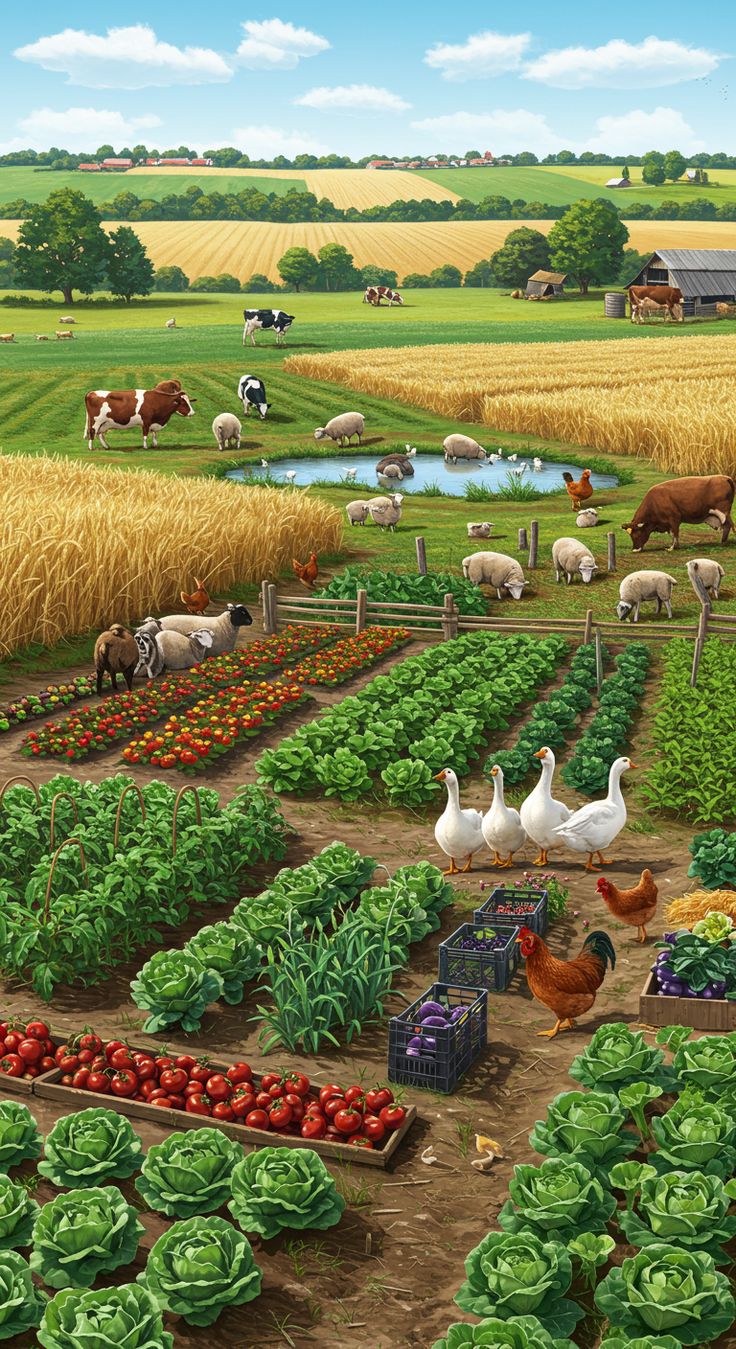
The primary importance of agriculture is food production. Crops like rice, maize, wheat, vegetables, and fruits, along with livestock products such as milk, eggs, and meat, feed millions of people worldwide. A strong agricultural sector ensures food security and supplies the nutrients necessary for healthy living.
Generates Employment
Agriculture is a major source of employment, particularly in rural areas. Millions of people depend on farming for their livelihoods, working as farmers, laborers, and agricultural technicians. Additionally, agriculture supports related sectors like food processing, transportation, and marketing, providing further job opportunities.
Drives Economic Growth
Agriculture is a key contributor to national economies, especially in developing countries. It provides raw materials for industries, earns foreign exchange through exports, and stimulates trade. By generating income and improving living standards, agriculture fosters economic development and reduces poverty.
Supplies Raw Materials for Industries
Agriculture provides essential raw materials for industries, including cotton for textiles, sugarcane for sugar production, and maize for food processing. Many manufacturing and industrial activities rely on agricultural products, making it a critical component of industrial growth.
Promotes Rural Development
Agriculture improves rural livelihoods by creating income, infrastructure, and social services. Prosperous farming communities often see the development of roads, schools, and markets. By improving rural economies, agriculture reduces urban migration and promotes balanced regional development.
Supports Environmental Sustainability
Sustainable agricultural practices, such as crop rotation, agroforestry, and organic farming, help maintain soil fertility, conserve water, and protect biodiversity. Responsible agriculture can reduce the negative impact on the environment and contribute to long-term ecological balance.
Enhances National Security
Food security is a critical aspect of national security. A country with a strong agricultural sector can feed its population, reduce dependency on imports, and withstand global economic fluctuations. Agriculture ensures the stability and resilience of nations.
Conclusion
Agriculture is the foundation of human survival and societal development. It provides food, generates employment, drives economic growth, supports industries, and promotes environmental sustainability. Recognizing the importance of agriculture encourages investment, innovation, and policies that strengthen this vital sector for the benefit of current and future generations.