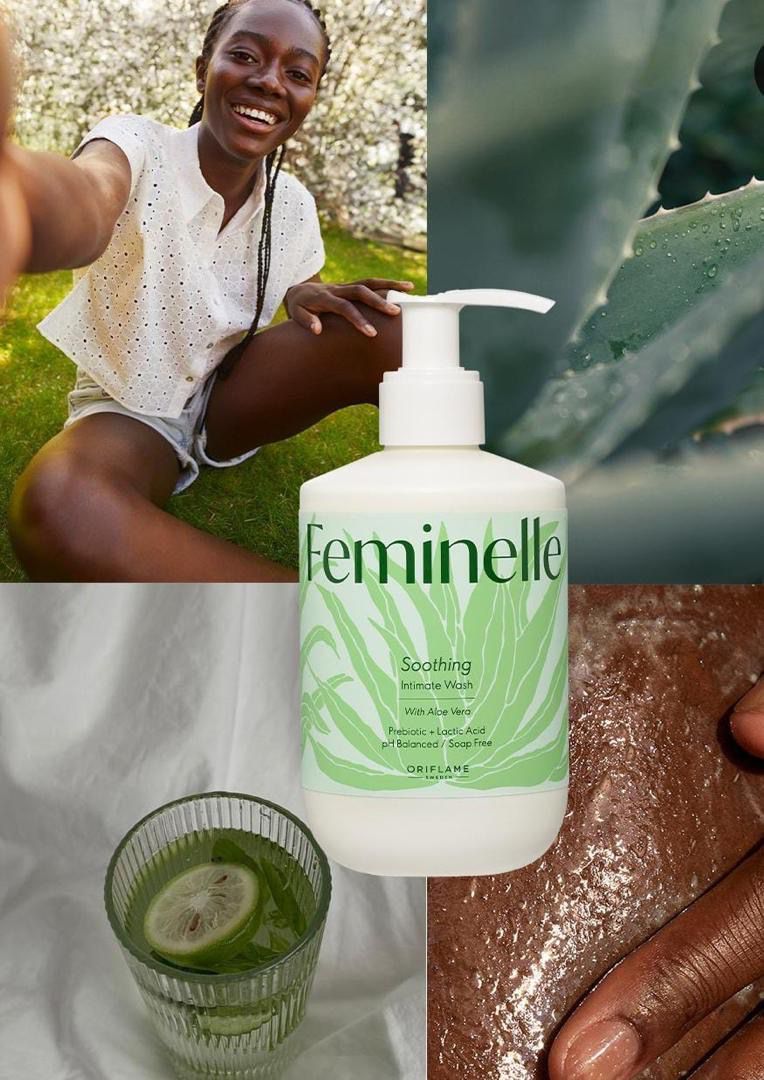
However, some women opt to incorporate feminine washes into their personal hygiene routines for reasons related to comfort, confidence, and personal preference. Proponents of these products often highlight their use in managing everyday discharge odor or a desire to feel "fresher," particularly during menstruation or after physical activity [1]. The market offers a variety of formulations, including those marketed as pH-balanced, natural, or unscented, designed to appeal to these specific hygiene goals [1].
The key takeaway is that the use of feminine washes is largely a personal choice, not a medical necessity. The consensus among medical experts is that the natural acidity and bacterial flora of the vagina are highly sensitive, and introducing external products, especially those containing fragrances or harsh chemicals, can potentially lead to irritation, allergic reactions, and even infections like bacterial vaginosis or yeast infections [1, 2].
For women who choose to use them, careful consideration is vital. It is essential to select products that are unscented, hypoallergenic, and formulated for sensitive skin [1]. When used, they should only be applied to the external area (the vulva), never internally in the vagina itself [1].
Ultimately, a woman should prioritize products that promote well-being without causing harm. It is highly recommended to consult with a healthcare professional, such as a gynecologist or general practitioner, before incorporating any new product into a personal care regimen, as they can provide personalized advice based on individual health needs and help address specific concerns about vaginal health and hygiene [2]. Medical guidance is crucial for making informed decisions about feminine care.