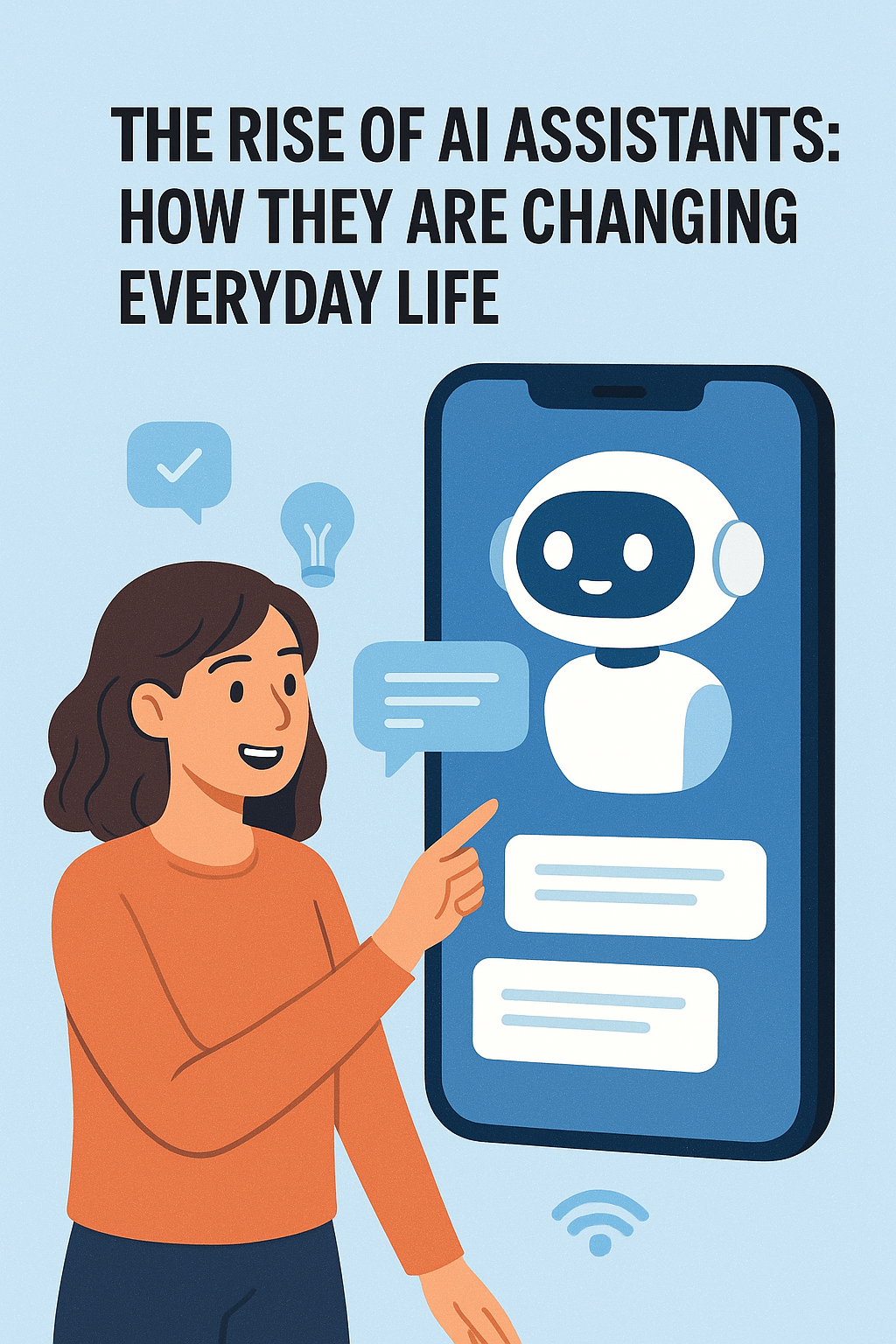
One of the biggest reasons AI assistants are becoming so widely used is their ability to adapt to different tasks. Students use them to understand difficult topics, businesses rely on them to automate routine work, and creatives use them to brainstorm ideas or generate drafts. This flexibility makes AI tools attractive across nearly every industry.
Despite the growing excitement, the rise of AI also brings new questions. How should people use these tools responsibly? What tasks should remain fully human-driven? And how will workplaces evolve as AI becomes more capable?
While experts continue to debate the future, one thing is clear: AI assistants are no longer futuristic gadgets—they’re becoming everyday partners in how we think, work, and create.