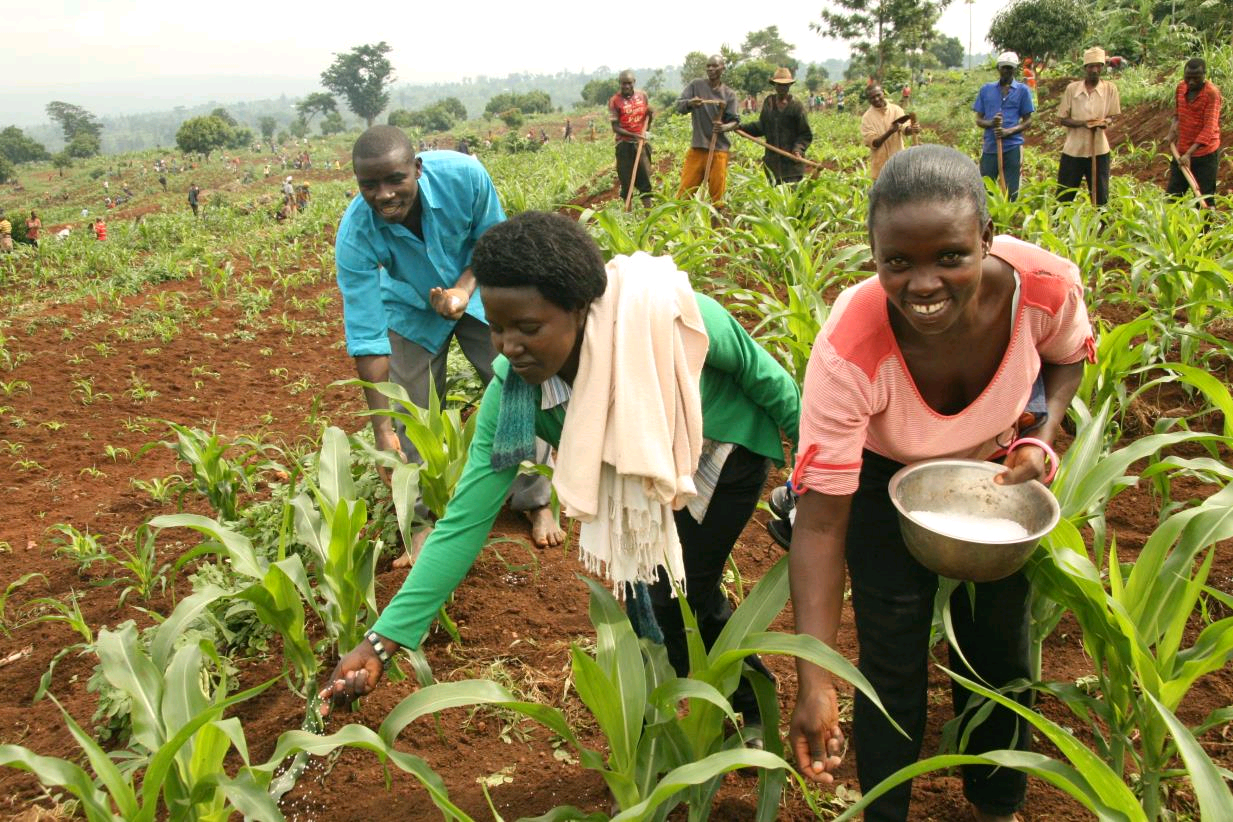
1. Provides Food for the World
Farming is the primary source of our food supply. Crops, fruits, vegetables, and livestock all come from agriculture. Without farming, there would be no reliable source of food to sustain the growing global population.
2. Supports the Economy
Agriculture is a major part of the economy in many countries. It creates jobs for millions of people—farmers, laborers, transporters, and those in related industries like food processing and marketing.
3. Contributes to Development
Farming often drives the development of rural areas by improving infrastructure such as roads, markets, and schools. Many countries started their economic growth with strong agricultural sectors.
4. Ensures Raw Materials
Many industries depend on agriculture for raw materials. Examples include:
Cotton → textiles
Sugarcane → sugar
Timber → furniture and paper
Animal products → leather
5. Maintains Food Security
Having strong farming systems ensures that a country can produce enough food for its people, reducing dependence on imports and protecting against shortages.
6. Preserves the Environment (when done sustainably)
Sustainable farming practices help conserve soil, water, and biodiversity. They reduce pollution and protect natural resources for future generations.
7. Cultural and Social Importance
Farming is deeply connected to traditions, festivals, and cultural identity in many communities around the world.