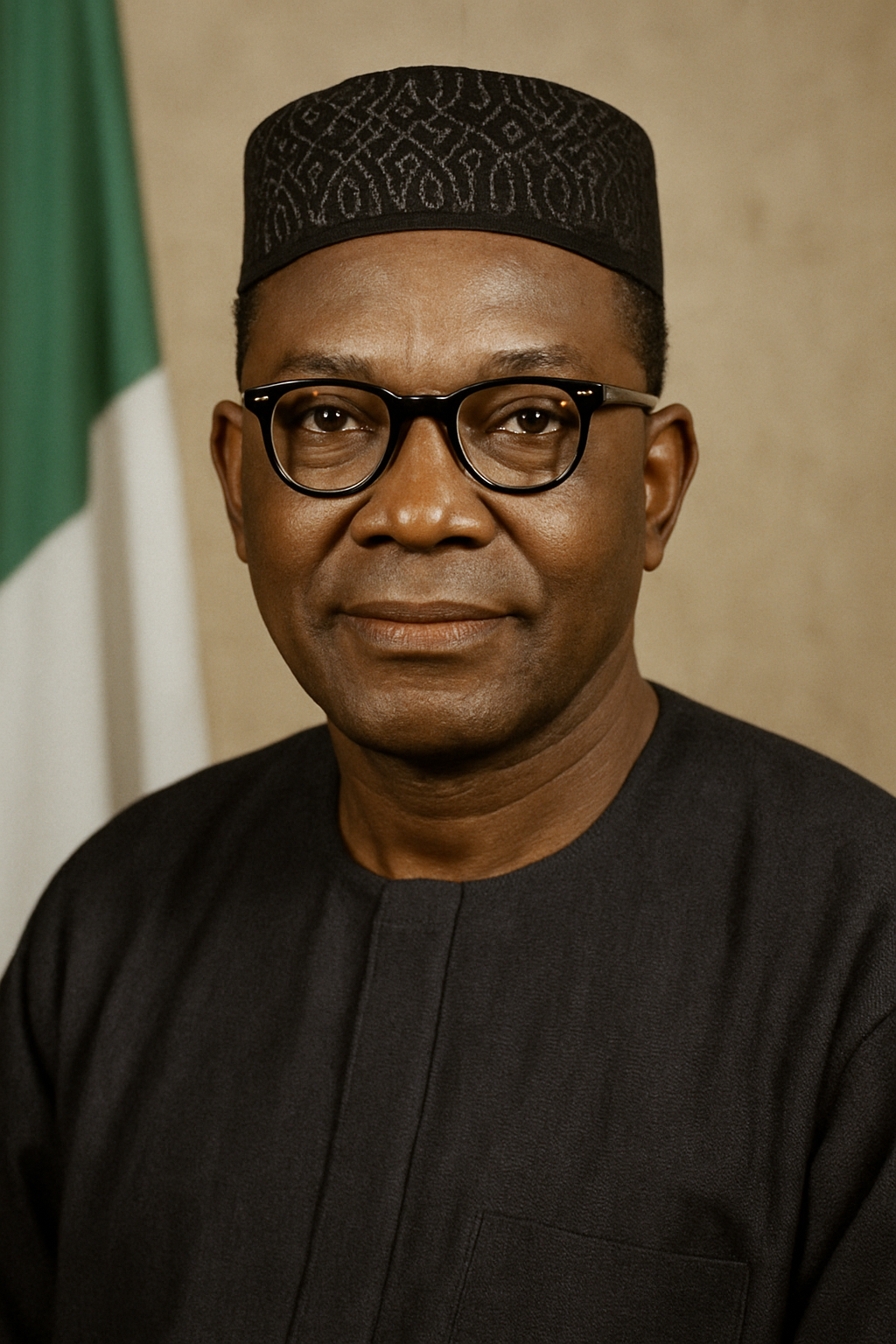
The First President of Nigeria: Dr. Nnamdi Azikiwe
Dr. Nnamdi Azikiwe, often called “Zik of Africa,” was the first President of Nigeria and one of the most influential figures in the nation’s journey to independence. Born on November 16, 1904, in Zungeru (in present-day Niger State), Azikiwe grew up in a multicultural environment that later shaped his strong belief in national unity. He is remembered not only as a political leader but also as a journalist, thinker, and advocate for African freedom.
Azikiwe received his early education in Nigeria before traveling to the United States, where he attended several universities, including Howard University and Lincoln University. His time abroad played a major role in forming his political ideas. He was inspired by movements for racial equality and self-determination and returned to Nigeria determined to help liberate his nation from colonial rule.
One of Azikiwe’s major contributions was in journalism. In the 1930s and 1940s, he used newspapers such as the West African Pilot to promote nationalism and encourage Nigerians to demand independence. His writings united people from different regions, religions, and ethnic groups, helping to build a stronger national identity.
Politically, Azikiwe co-founded the National Council of Nigeria and the Cameroons (NCNC). The party became one of the strongest voices pushing for an end to British colonial rule. After Nigeria gained independence on October 1, 1960, Azikiwe served first as the Governor-General. When Nigeria became a republic on October 1, 1963, he became the first President of Nigeria, making him the ceremonial head of state.
Although his role as president was mostly symbolic—the Prime Minister held executive power—Azikiwe remained an important guiding figure in Nigerian politics. He encouraged unity, supported education, and promoted peaceful coexistence.
Azikiwe’s presidency ended in January 1966 after the first military coup in Nigeria, but his legacy continues. He is recognized as one of the founding fathers of Nigeria and a symbol of peaceful nationalism. His contributions to politics, journalism, and national development still inspire many generations today.