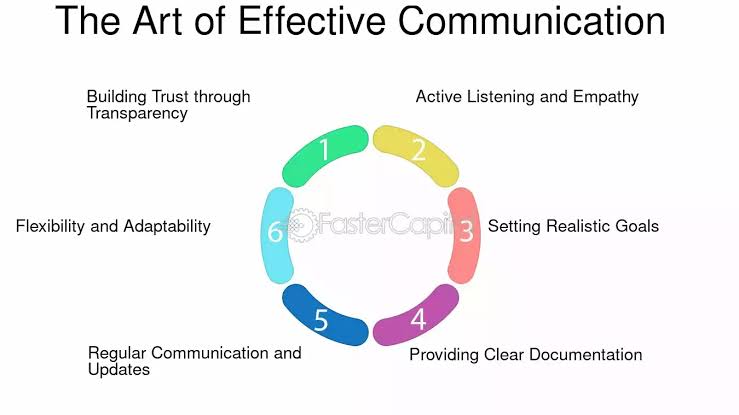
At its core, effective communication involves clarity, understanding, and connection. One important element is active listening. Many people focus only on what they want to say, but true communication begins with listening. Active listening means paying full attention, maintaining eye contact, avoiding interruptions, and showing genuine interest. When people feel heard, trust grows naturally.
Another key aspect is clarity of expression. Messages should be simple, direct, and free of unnecessary confusion. Choosing the right words and speaking at the right pace ensures that listeners understand the message. Tone of voice also plays an important role; a calm, respectful tone encourages positive conversation, while harsh or emotional tones can create misunderstandings.
Non-verbal communication—including facial expressions, gestures, and body language—contributes significantly to communication. A smile, nod, or open posture can make interactions more welcoming, while crossed arms or a frown may send the wrong message. Understanding body language helps communicate feelings even when words are limited.
Effective communication also requires empathy, the ability to understand another person’s emotions and perspective. Empathy helps people respond thoughtfully rather than react impulsively. It encourages cooperation, reduces conflict, and strengthens relationships.
In professional settings, communication is vital for teamwork, leadership, and problem-solving. Clear instructions prevent mistakes, while constructive feedback helps people improve without feeling discouraged. In personal relationships, honest and respectful communication builds trust and emotional connection.
Finally, effective communication depends on practicing patience. Not everyone expresses themselves the same way, and taking time to understand others makes communication smoother and more meaningful.
In conclusion, the art of effective communication is a combination of listening, clarity, non-verbal cues, empathy, and patience. When these elements come together, communication becomes a tool for building strong relationships, resolving conflicts, and achieving personal and professional success.