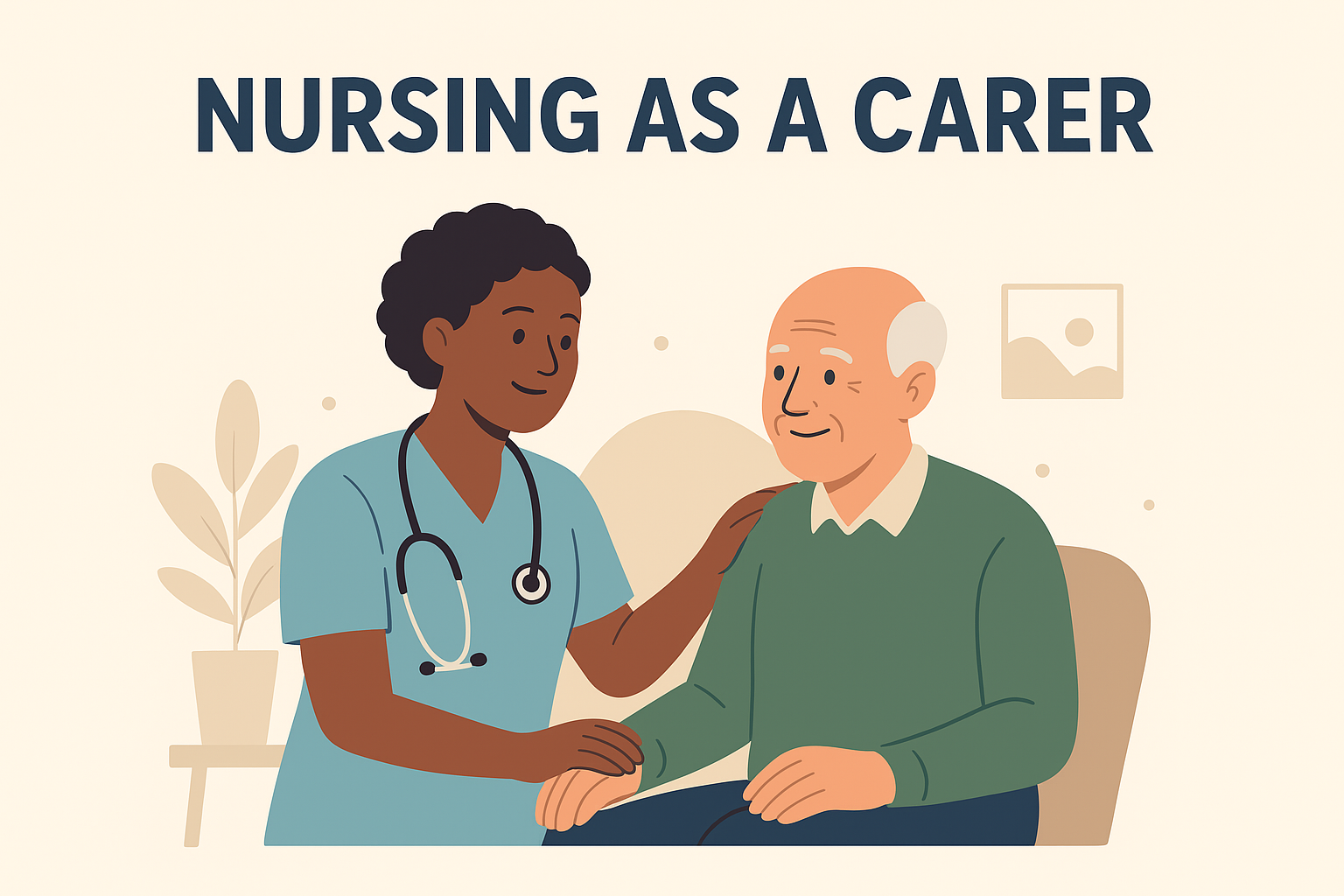
A nurse’s responsibility as a carer begins with understanding the needs of each patient. This includes listening carefully, observing changes in their condition, and responding quickly to ensure their safety. Nurses often spend more time with patients than any other healthcare professional, which allows them to build trust and provide personalized care. This human connection makes a significant difference in recovery and overall well-being.
Nurses also offer emotional support to patients and their families. Illness can bring fear, confusion, and stress, but a caring nurse can ease these feelings through reassurance and clear communication. By explaining treatment plans, answering questions, and providing encouragement, nurses help patients feel more confident and less alone in their health journey.
In addition, nursing as a carer involves advocating for patients. Nurses ensure that patients receive the right care, respect, and dignity. They collaborate with doctors, therapists, and other healthcare workers to create treatment plans that meet each patient’s unique needs. Their advocacy helps protect patients’ rights and promotes quality healthcare.
Furthermore, nurses contribute to public health by educating people on healthy habits, disease prevention, and proper hygiene. Their caring role extends beyond hospitals to communities, schools, and homes.
In conclusion, nursing as a carer is a noble and indispensable profession. It combines medical knowledge with compassion, making nurses pillars of support within the healthcare system. Their dedication to caring for others reflects the true heart of nursing and reinforces its value in society.