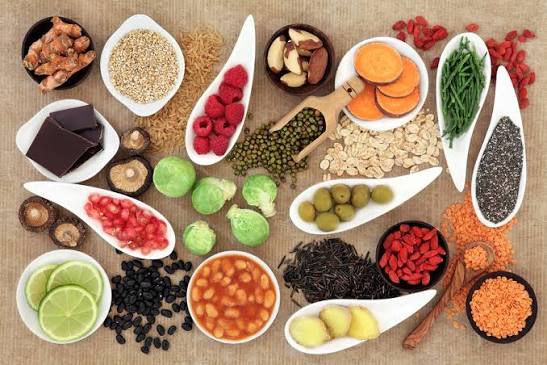
Every food we consume contains different nutrients, and each plays a vital role in human health. Carbohydrates, commonly found in foods like rice, bread, potatoes, and grains, serve as the body’s main source of energy. Proteins, present in foods such as beans, fish, eggs, and meat, help build and repair body tissues, muscles, and organs. Fats, when consumed moderately, provide concentrated energy and help in the absorption of fat-soluble vitamins like A, D, E, and K. Vitamins and minerals are also essential as they support body functions such as immunity, eyesight, bone strength, and blood formation. Water, though often overlooked, is a crucial nutrient that regulates body temperature, aids digestion, and keeps the body hydrated.
Good nutrition depends not only on eating food, but on choosing the right types of food in the right amounts. A balanced diet is one that contains all essential nutrients in correct proportions. It includes fruits, vegetables, whole grains, proteins, and moderate amounts of fats and oils. Individuals who practice balanced eating experience better health, stronger immunity, and increased productivity. However, poor nutrition leads to conditions like kwashiorkor, marasmus, obesity, diabetes, and hypertension.
In conclusion, food is more than just something we eat for satisfaction—it fuels life. Nutrition determines the quality and effectiveness of this fuel. By making healthy food choices, practicing balanced diet principles, and avoiding excessive consumption of junk foods, individuals can maintain strong bodies, sharp minds, and live longer, healthier lives.