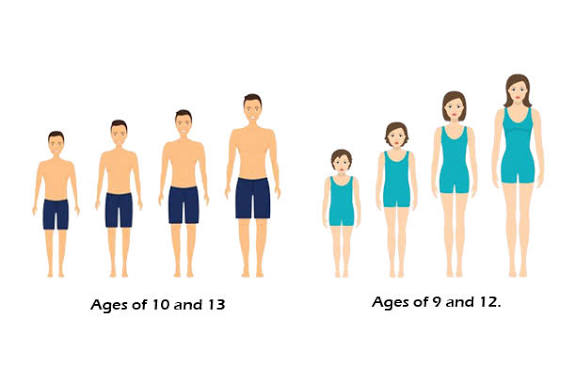
One of the major characteristics of puberty is rapid physical growth. During this stage, children experience a noticeable increase in height and weight. Bones and muscles develop faster, giving the body a more adult-like appearance. In boys, the shoulders broaden, the voice deepens, and facial hair begins to appear. In girls, the hips broaden and the body develops curves. Both boys and girls experience growth of hair in certain parts of the body and become more physically active and stronger.
Apart from physical changes, puberty also brings emotional and psychological adjustments. Teenagers may become more self-aware and concerned about their appearance. Mood swings are common, as emotions become more intense due to hormonal fluctuations. Young people at this stage begin to develop stronger personal identities, opinions, and interests. Some may experience confusion or insecurity because of the sudden changes happening in their bodies and minds. Proper guidance, support, and education from parents, teachers, and guardians are therefore essential during this period.
Good hygiene and healthy habits become very important during puberty. As the body changes, young people must learn how to care for themselves properly—by bathing regularly, eating nutritious foods, exercising, maintaining clean clothing, and getting enough rest. Understanding these changes helps teenagers remain confident and comfortable.
In conclusion, puberty is a normal and necessary phase of life that transforms children into adults. Though the changes may sometimes be challenging, they are natural and temporary. With the right support, proper education, and encouragement, every young person can pass through puberty successfully and emerge stronger, healthier, and more mature.