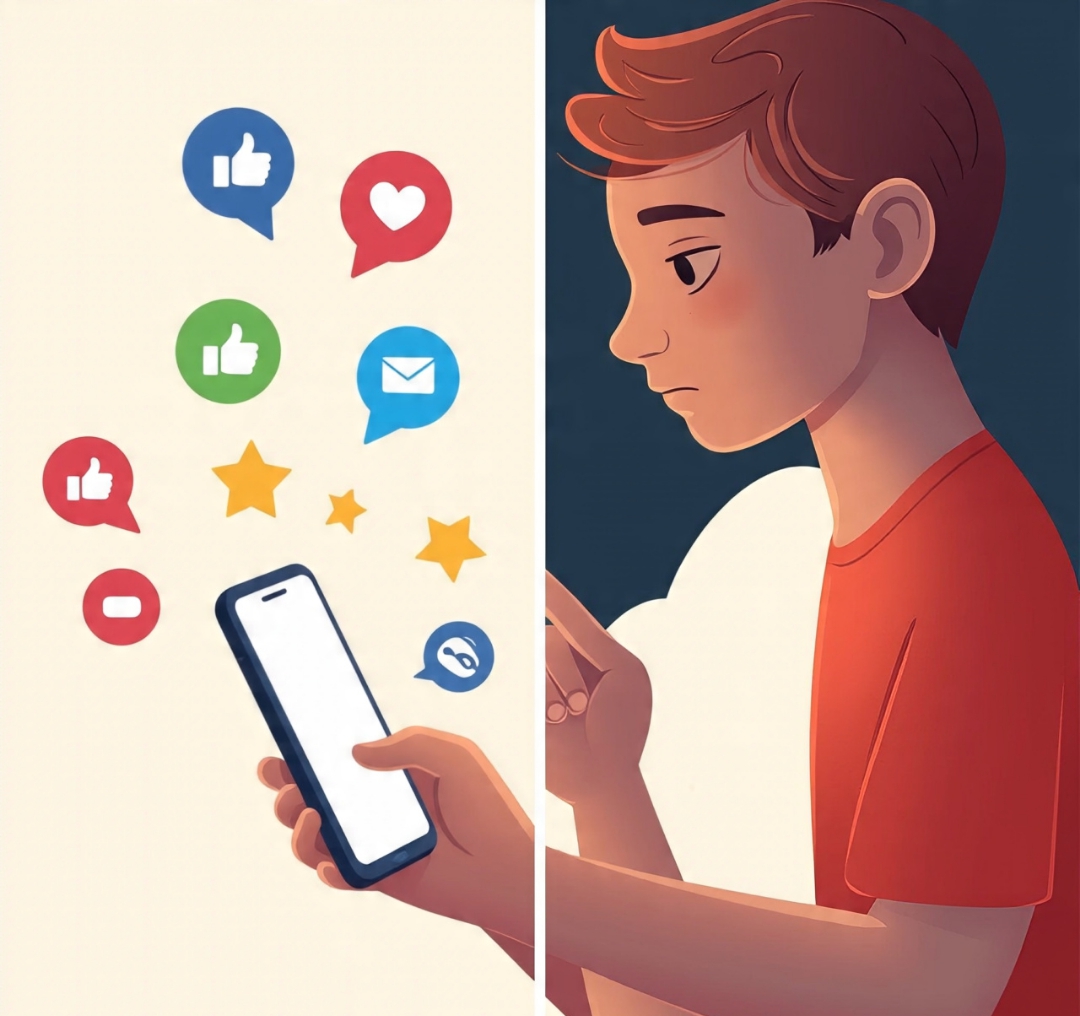
One major impact of social media on teenagers is the rise of comparison and self-esteem issues. Constant exposure to curated images and videos can make teens feel inadequate or pressured to meet unrealistic standards. This often leads to anxiety, depression, and a distorted self-image. The need for validation through likes, comments, and shares can create unhealthy cycles of approval-seeking, affecting emotional stability.
Cyberbullying is another serious concern. Unlike traditional bullying, online harassment can occur 24/7, leaving teenagers feeling trapped and vulnerable. Many victims struggle silently, fearing judgment or lacking support, which can have long-term effects on their mental health. Parents, educators, and peers must be aware of these risks and provide guidance and reassurance to help teens navigate online spaces safely.
Despite these challenges, social media also has positive effects when used responsibly. It offers opportunities for learning, networking, and expressing individuality. Teens can access educational content, join supportive communities, and develop digital literacy skills that prepare them for the modern world. Balancing screen time with offline activities, practicing critical thinking, and setting healthy boundaries are essential strategies for maximizing benefits while minimizing harm.
In conclusion, social media is a double-edged sword for teenagers. Awareness, education, and guidance are key to ensuring that it serves as a tool for growth rather than a source of stress. By fostering responsible use, society can help teenagers harness the power of social media to enhance creativity, connection, and well-being.