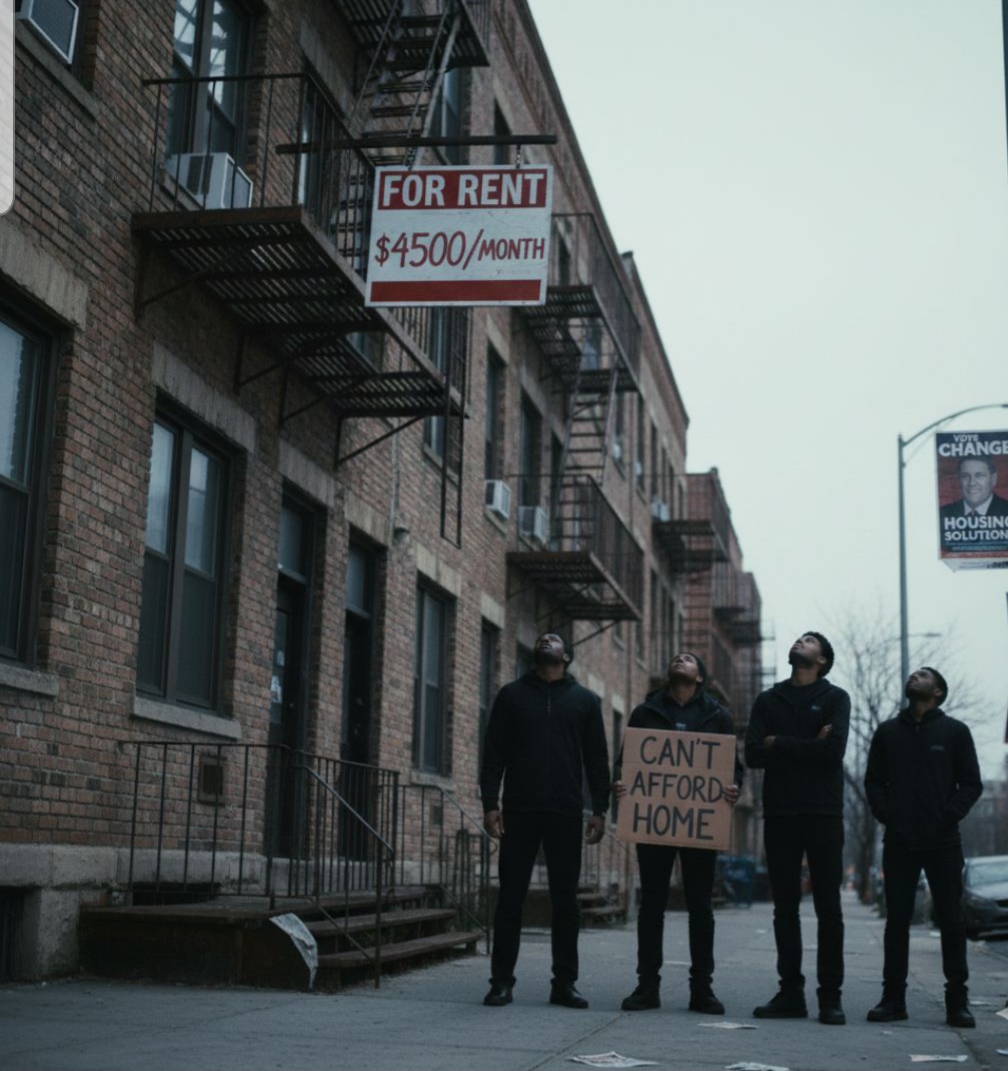
I. The Compelling Hook: A Crisis That Unites Us All
Statistic Shock: Start with a headline-grabbing statistic (e.g., "The average American now spends $X,XXX on rent/mortgage, the highest rate in decades," or "A minimum wage worker can no longer afford a 2-bedroom apartment in 99% of US counties").
The Problem: Frame the housing crisis as not just an economic issue, but a political failure—it impacts education (teachers can't live near schools), healthcare (nurses can't afford city living), and family stability.
Target Audience Connection: State clearly that this is not just a coastal city issue; it's crippling the middle class everywhere.
II. The Political Divide: Two Proposed Solutions
A. The Conservative/Supply-Side Argument:
Focus: Deregulate zoning laws, reduce local restrictions (like minimum lot sizes and parking requirements), and incentivize private builders to increase housing supply quickly.
Controversy/Critique: Does this simply lead to more luxury housing that doesn't solve the core affordability problem?
B. The Progressive/Interventionist Argument:
Focus: Direct public investment in housing, implement rent control or "stabilization" policies, and use federal tax incentives to fund public-private affordable housing projects.
Controversy/Critique: Does rent control disincentivize new construction and ultimately make the housing shortage worse?
III. The Emerging Battleground: What Lawmakers Are Doing
State-Level Action: Highlight a specific, recent state or city law (e.g., a state that just banned single-family-only zoning, or a major city that implemented new rent stabilization rules).
Federal Push: Discuss the current political efforts to include housing relief in infrastructure bills or use presidential executive power to free up federal land for development.
IV. The Conclusion: What It Means for the Next Election
Prediction: Conclude that the party that offers the most credible, practical, and swift solution to the housing crisis will win over the crucial segment of young, middle-income, and swing voters.
Call to Action: Ask the reader to research their local/state politician's stance on zoning and housing—making the article personal and actionable.