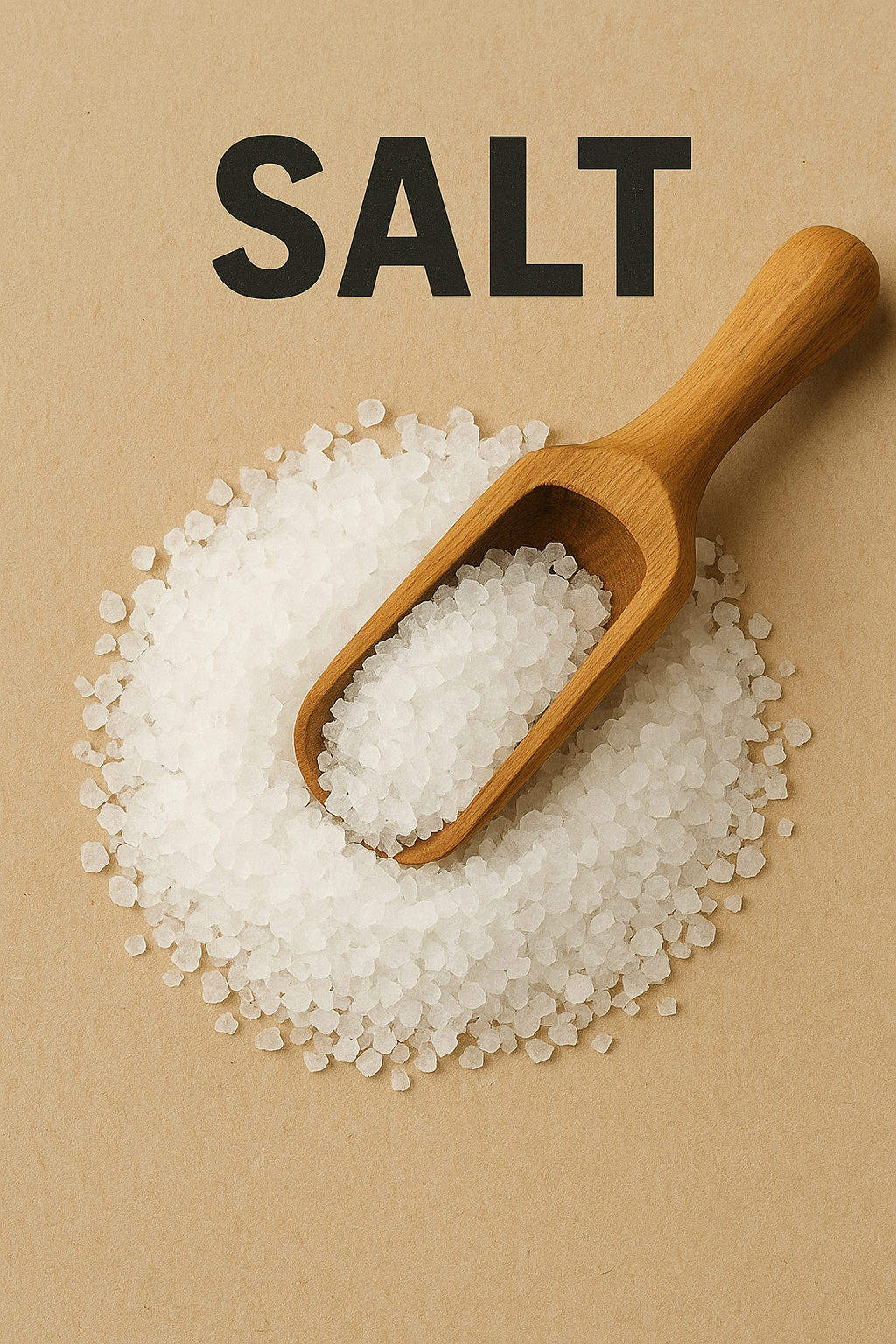
Salt is one of the most essential substances in human life, widely used for cooking, preservation, industry, and even medicine. Scientifically known as sodium chloride (NaCl), salt is a natural mineral found in seawater, underground deposits, and salt lakes. For centuries, it has played a vital role in human civilization, influencing trade routes, cultural traditions, and economic development. In many ancient societies, salt was so valuable that it was sometimes used as a form of currency.
Salt is mainly used as a seasoning in food. It enhances taste, brings out natural flavours, and improves the overall quality of meals. Without salt, most foods would taste flat or bland. Besides flavour, it also serves as a preservative, preventing the growth of bacteria in foods such as fish, meat, and vegetables. Before the invention of refrigeration, salting was one of the only methods of food preservation, especially for travelers, soldiers, and sailors. Even today, salted foods remain popular in many cultures around the world.
In the human body, salt performs important biological functions. Sodium found in salt helps regulate body fluids, maintain blood pressure, support nerve transmission, and aid muscle contraction. However, the body only needs salt in small amounts. Excessive intake can lead to health problems such as high blood pressure, heart disease, kidney issues, and stroke. Therefore, health experts advise moderation in salt consumption.
Industrially, salt is used in the production of soap, paper, detergents, textiles, fertilizers, and chemicals. It is also used in water purification, road de-icing during winter, and animal feeding. In some countries, salt production contributes significantly to national income through exportation.
In conclusion, salt is a valuable natural resource with multiple uses in daily life. It is essential for food preparation, good health, and industrial development. However, while salt is important for survival, it must be consumed responsibly. Proper education on healthy salt intake, along with awareness of its benefits and risks, can ensure that society continues to enjoy its advantages safely and sustainably.