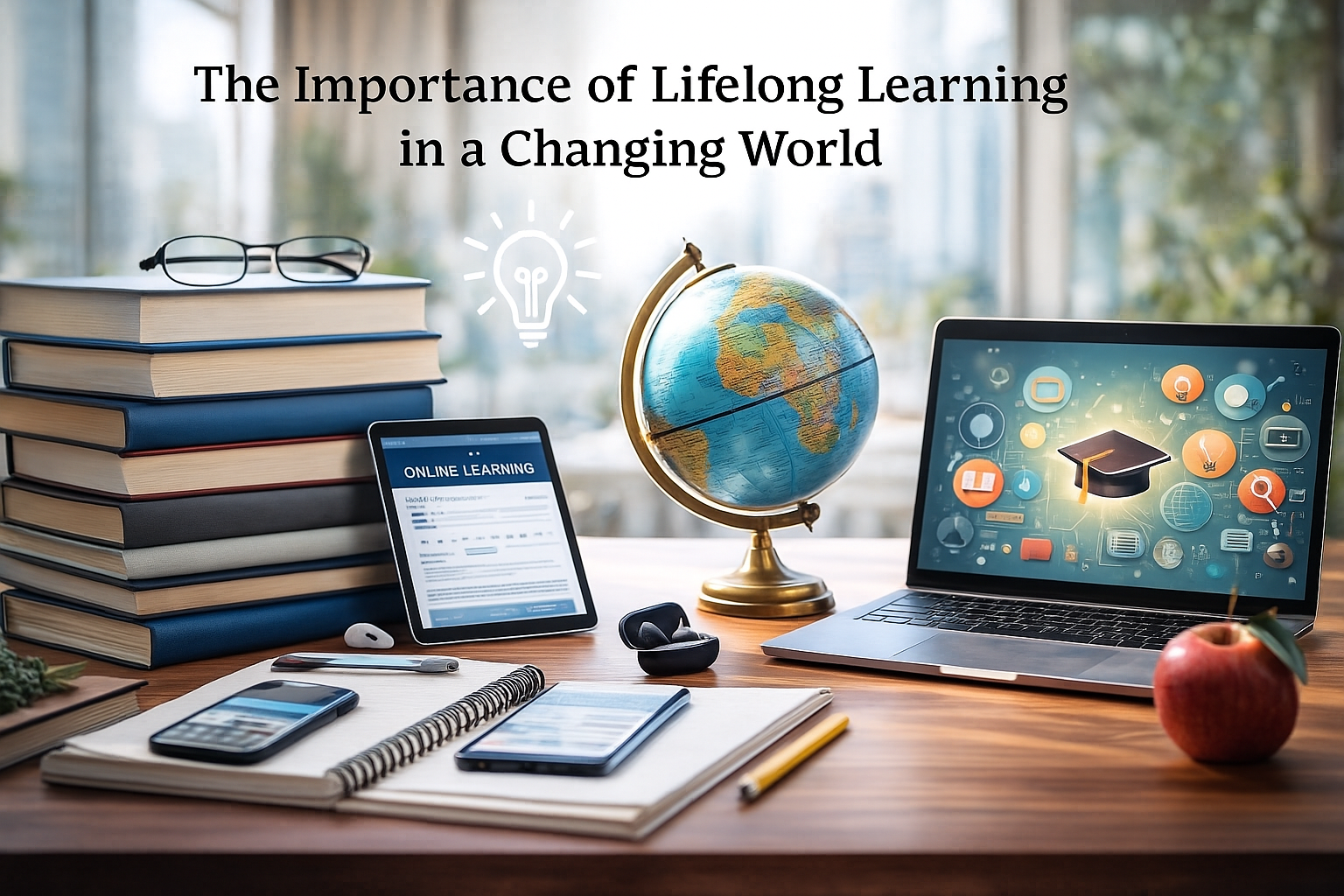
One of the primary reasons lifelong learning is crucial is its role in maintaining career relevance. Automation, artificial intelligence, and digital tools significantly influence nearly every field. Jobs that existed a decade ago may not exist today, while entirely new roles continue to emerge. By committing to ongoing education—whether through formal courses, online programs, workshops, or self-guided study—individuals can stay current and competitive. Lifelong learning also allows people to switch careers or explore new interests without starting from scratch, making it a powerful tool for personal reinvention.
Beyond professional benefits, lifelong learning enriches personal growth. It helps build confidence, encourages creativity, and cultivates curiosity. People who continually expose themselves to new ideas often develop better problem-solving abilities and stronger critical thinking skills. Learning new languages, exploring different cultures, or picking up creative hobbies can also deepen one’s understanding of the world and foster meaningful connections with others.
Additionally, lifelong learning supports mental well-being. Studies show that engaging the mind through reading, studying, or practicing new skills can improve cognitive health and reduce the risk of age-related decline. Learning keeps the brain active, sharp, and resilient throughout life.
In a world defined by change, lifelong learning is not merely optional—it is essential. It empowers individuals to adapt, grow, and thrive, regardless of age or background. By embracing a mindset of continuous curiosity and self-improvement, anyone can build a more fulfilling, confident, and future-ready life.