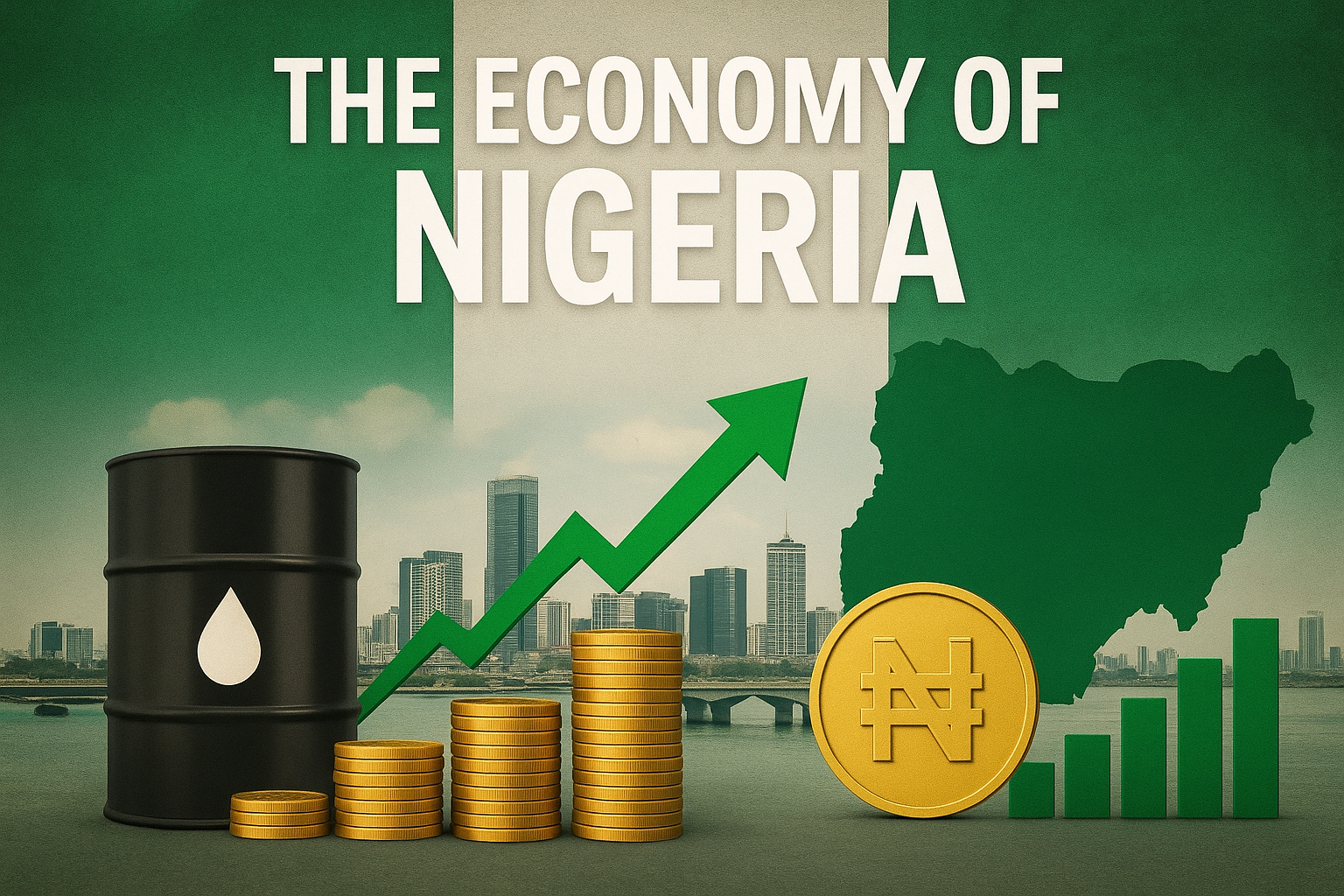
A major pillar of Nigeria’s economy is the oil and gas sector, which accounts for the majority of government revenue and foreign exchange earnings. Since the discovery of crude oil in commercial quantities in the late 1950s, Nigeria has grown to become one of the world’s major oil producers. However, heavy dependence on oil has created vulnerability: when global prices drop, the country often faces budget deficits and currency instability. This overreliance has highlighted the urgent need for economic diversification.
In recent years, the Nigerian government has intensified efforts to strengthen non-oil sectors such as agriculture, manufacturing, and technology. Agriculture employs a large portion of the population and remains vital for food security and rural development. Crops like cassava, cocoa, rice, and maize contribute significantly to national output. Meanwhile, the tech ecosystem—popularly referred to as “Nigeria’s Silicon Valley” in Lagos—has attracted global attention for its innovation in fintech and digital services, creating jobs and boosting investor confidence.
The service sector, particularly banking, telecommunications, and entertainment, has also grown rapidly. Nigeria’s creative industry, including Nollywood and Afrobeats, contributes billions of dollars to the economy and strengthens the country’s global influence. Despite these advancements, Nigeria still faces challenges such as inflation, unemployment, inadequate infrastructure, and power shortages. These issues often slow down industrial activities and increase the cost of doing business.
Nevertheless, Nigeria holds vast economic potential. With its youthful population, entrepreneurial spirit, and ongoing reforms, the country is positioned for long-term growth. Continued investment in education, infrastructure, and innovation will be crucial for unlocking a more resilient and diversified economy.