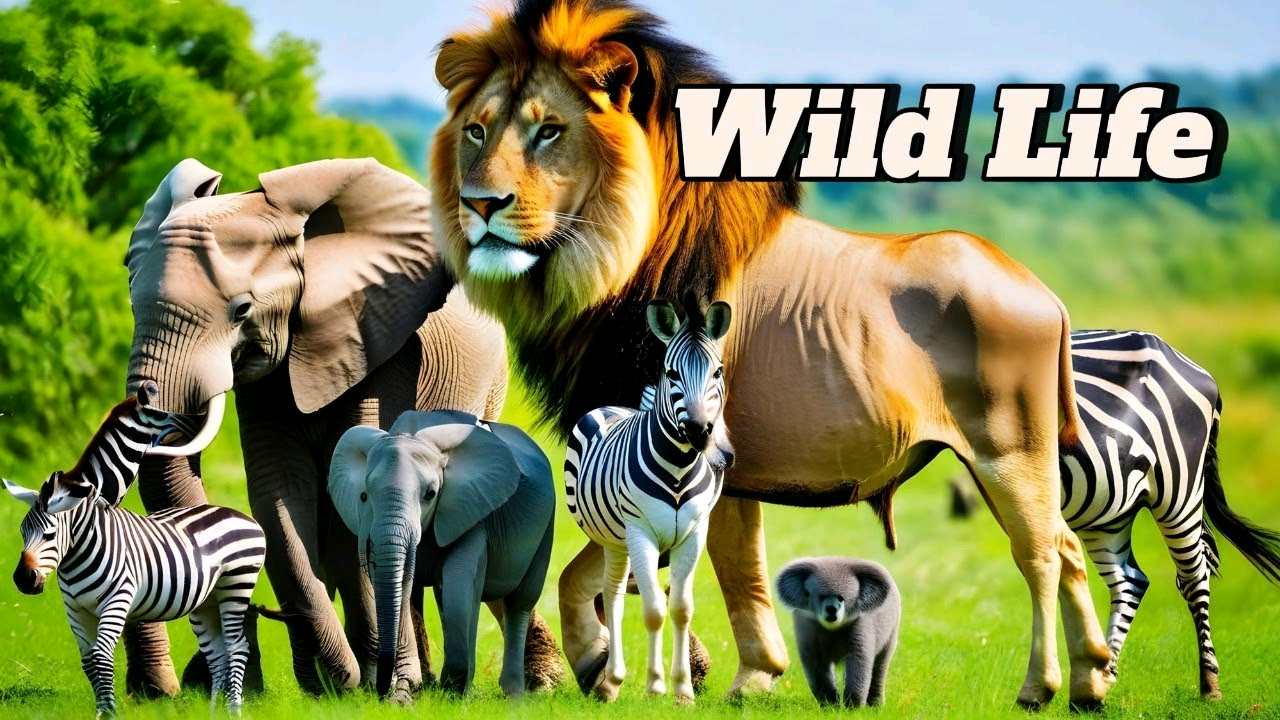
Wildlife, encompassing all undomesticated plants, animals, and microorganisms, forms the foundation of Earth’s biodiversity. From the dense rainforests of the Amazon to the vast savannas of Africa and the icy expanses of the Arctic, wildlife plays an irreplaceable role in maintaining the health and stability of ecosystems. Understanding the significance of wildlife is essential not only for appreciating the beauty of nature but also for recognizing our own dependence on the natural world.
One of the most important contributions of wildlife is its role in preserving ecological balance. Every species—no matter how small—fulfills a specific function. Predators control the population of herbivores, herbivores regulate plant growth, and plants produce oxygen and purify the air. This intricate food web ensures that resources such as nutrients, water, and energy flow smoothly through ecosystems. When one species disappears, the consequences can ripple through the entire system. For instance, the extinction of large predators can lead to an overpopulation of grazing animals, which may destroy vegetation and cause soil erosion. Such disruptions remind us that the welfare of wildlife is deeply connected to the stability of our planet.
Wildlife also provides numerous economic benefits. Healthy ecosystems support industries such as agriculture, fishing, and tourism. Pollinators like bees and butterflies, for example, are responsible for the successful cultivation of many crops. Without them, global food production would decline significantly. Natural habitats also attract millions of tourists each year, generating jobs and revenue for local communities. Safeguarding wildlife therefore contributes not only to ecological health but also to economic security.
In addition, wildlife has profound cultural and scientific value. For many Indigenous communities, animals and plants hold spiritual significance and form an essential part of their traditions and identity. Wildlife has also inspired art, literature, and folklore across civilizations. From a scientific perspective, studying animal behavior, plant adaptation, and ecosystem dynamics has helped humans develop medical treatments, agricultural innovations, and solutions to environmental problems. For example, research on certain frog species has led to breakthroughs in pain medication, while plant compounds discovered in the wild have contributed to life-saving drugs.
Despite its importance, wildlife faces unprecedented threats. Habitat destruction caused by urbanization, agriculture, and deforestation remains one of the biggest challenges. As natural spaces shrink, animals lose their homes and sources of food. Climate change further intensifies the problem, altering migration patterns, disrupting breeding cycles, and pushing many species toward extinction. Poaching, illegal wildlife trade, and pollution also threaten countless animals, from elephants targeted for ivory to marine creatures harmed by plastic waste.
Conserving wildlife is therefore an urgent global responsibility. Governments, organizations, and individuals all play a part. Protected areas such as national parks and wildlife reserves help safeguard habitats and provide safe spaces where species can thrive. Strict laws against poaching and illegal trade must be enforced, while conservation programs should focus on restoring damaged ecosystems. Education and awareness are equally important. When people understand the importance of wildlife and the dangers it faces, they are more likely to support conservation efforts and adopt sustainable practices.
Individuals, too, can contribute in simple yet meaningful ways. Reducing waste, recycling, supporting eco-friendly products, and avoiding items made from endangered species all make a difference. Participating in local conservation activities, such as tree planting or beach clean-ups, helps protect natural habitats. Even small actions—like planting native flowers to attract pollinators—can contribute to the preservation of biodiversity.
In conclusion, wildlife is an essential part of Earth’s natural heritage. It supports ecological balance, drives economic growth, contributes to scientific advancement, and enriches human culture. Protecting wildlife is not just about saving animals; it is about safeguarding the future of our planet and ensuring that generations to come can enjoy the beauty and benefits of a thriving natural world.