⸻
1. What Is Mental Health?
Mental health refers to our emotional, psychological, and social well-being. It influences:
• How we cope with challenges
• How we interact with people
• Our ability to learn, work, and enjoy life
• How we manage emotions and behavior
Good mental health doesn’t mean feeling happy all the time — it means being able to experience a full range of emotions and manage them in healthy ways.
⸻
2. Common Factors That Affect Mental Health
Mental health is shaped by many influences, including:
Biological factors
• Genetics
• Brain chemistry
• Hormones
Life experiences
• Stress
• Trauma
• Loss
• Relationships
Environmental factors
• Work or school pressure
• Social environment
• Financial worries
• Access to support
Mental health is dynamic, meaning it can change throughout life.
⸻
3. Signs of Mental Health Struggles
Everyone faces emotional ups and downs, but certain signs may suggest deeper mental health challenges:
• Persistent sadness or anxiety
• Feeling overwhelmed or hopeless
• Loss of interest in activities
• Difficulty sleeping or sleeping too much
• Changes in appetite or energy
• Trouble concentrating
• Withdrawal from others
• Irritability or mood swings
These signs don’t automatically mean someone has a mental disorder, but they signal that support may be needed.
⸻
4. Why Mental Health Matters
Good mental health benefits every part of life. It can improve:
• Physical health
• Productivity and focus
• Relationships
• Emotional resilience
• Self-esteem and motivation
When mental health is ignored, problems can grow, leading to stress, burnout, or mental illnesses such as depression or anxiety.
⸻
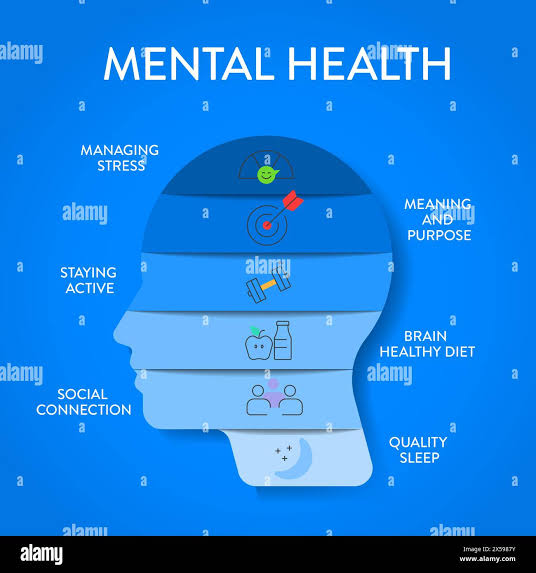
5. Ways to Support and Improve Mental Health
Mental well-being can be strengthened through everyday habits:
1. Build supportive relationships
Talking with friends, family, or loved ones reduces stress and increases connection.
2. Stay active
Exercise boosts mood by releasing endorphins and reducing anxiety.
3. Practice mindfulness or relaxation
Breathing exercises, meditation, or journaling can calm the mind.
4. Prioritize sleep
Quality sleep supports emotional regulation and cognitive function.
5. Set healthy boundaries
Saying “no” when needed protects mental energy.
6. Seek professional help when needed
Therapists, counselors, and mental health professionals provide tools and support to navigate challenges.
⸻
6. Breaking the Stigma
One of the biggest barriers to mental health care is stigma. Many people feel ashamed or afraid to speak about their struggles. Breaking stigma begins with:
• Open conversations
• Compassion instead of judgment
• Treating mental health the same way we treat physical health
• Encouraging others to seek help
Normalizing mental health discussions helps create a healthier, more supportive society.
⸻
Conclusion
Mental health is essential to living a balanced and fulfilling life. Everyone experiences emotional challenges, and seeking help is a sign of strength, not weakness. By understanding mental health and adopting supportive habits, individuals can build resilience, improve their well-being, and create a healthier future for themselves and their communities.