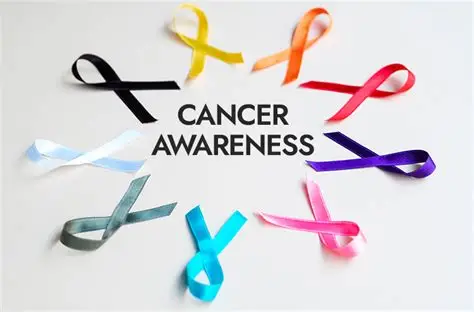
Cancer remains one of the leading health challenges worldwide, touching the lives of millions of individuals and families every year. While the word “cancer” can evoke fear, awareness and education empower people to detect the disease early, make healthier choices, and support those affected. Building a culture of understanding is one of the strongest tools we have in the fight against cancer.
What Is Cancer?
Cancer is a condition in which cells grow uncontrollably and spread to other parts of the body. There are more than 100 types of cancer, each affecting different organs and systems. Although some forms are linked to genetics, many are influenced by lifestyle and environmental factors—meaning awareness and prevention can make a tremendous difference.
Why Cancer Awareness Matters
1. Early Detection Saves Lives
Many cancers, such as breast, cervical, skin, and colorectal cancer, can be treated effectively when discovered early. Awareness encourages people to recognize symptoms and undergo regular screenings.
2. Education Reduces Risk
Knowledge of risk factors—such as tobacco use, unhealthy diet, excessive alcohol consumption, physical inactivity, and exposure to harmful chemicals—helps individuals make informed choices.
3. Supporting Patients and Families
Awareness campaigns reduce stigma, encourage empathy, and promote community support systems that improve quality of life for patients and caregivers.
4. Encouraging Research and Advocacy
The more people understand cancer, the stronger the push for improved treatments, funding, and public health policies.
Key Ways to Reduce Cancer Risk
Although not all cancers are preventable, many cases are linked to modifiable habits. Some effective prevention steps include:
Avoid tobacco in all forms—smoking remains the leading cause of preventable cancer.
Eat a balanced diet rich in fruits, vegetables, whole grains, and lean proteins.
Stay physically active and maintain a healthy weight.
Limit alcohol consumption.
Protect your skin from excessive sun exposure.
Get vaccinated for HPV and hepatitis B, which can reduce the risk of cervical and liver cancers.
Participate in regular screenings such as mammograms, Pap smears, colonoscopies, and skin checks.
Recognizing Common Warning Signs
While symptoms vary depending on the cancer type, common warning signs can include:
Unexplained weight loss
Persistent fatigue
Lumps or swelling
Changes in moles or skin
Chronic cough or hoarseness
Abnormal bleeding
Anyone experiencing persistent or unusual symptoms should consult a healthcare professional promptly.
The Importance of Community Action
Cancer awareness is not just an individual responsibility—it thrives on community participation. Schools, workplaces, health organizations, and local leaders can organize workshops, screening drives, charity walks, and social media campaigns. These initiatives spread knowledge, provide access to resources, and foster solidarity with those battling cancer.
Conclusion
Cancer awareness is more than information—it is empowerment. By educating ourselves and others, embracing preventive habits, and supporting ongoing research, we can reduce the global burden of cancer. Every conversation, screening, and act of support brings us one step closer to a world where cancer is less feared and more effectively managed.